Filter by:
Clear All
Research Studies
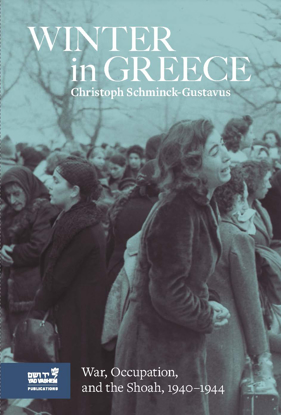
Winter In Greece: War, Occupation, and the Shoah, 1940–1944
Christoph Schminck-Gustavus

White Coats in the Ghetto: Jewish Medicine in Poland during the Holocaust
Miriam Offer
A last few words to honor you, the Jewish doctors. What canI tell you, my beloved colleagues and companions in misery? You are a part of all of us. Slavery, hunger, deportation, thosedeath figures in our ghetto were also your legacy. And you byyour work could give the henchman the answer Non omnis moriar, I shall not wholly die. (Dr. Israel Milejkowski, Director, Judenrat Health Department in the Warsaw Ghetto, October 1942)
White Coats in the Ghetto narrates the struggle of the Jews to survive in the Warsaw ghetto while also preserving their humanity during the Holocaust. Based on a vast quantity of official and personal documents, it describes the elaborate medical system that the Jews established in the ghetto to cope with the lethal conditions imposed on them by the Nazis, and the tragic ethical dilemmas that the medical teams confronted under German occupation.
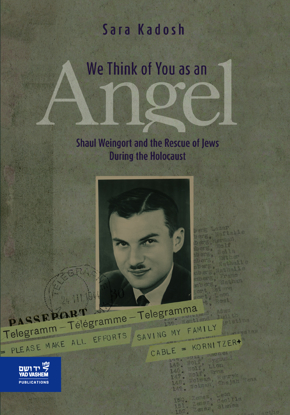
We Think of you as an Angel: Shaul Weingort and the Rescue of Jews During the Holocaust
Sara Kadosh
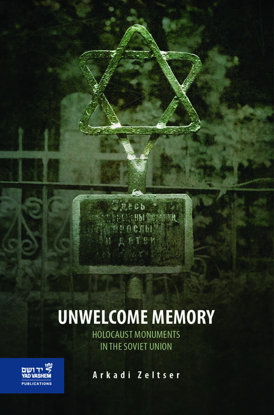

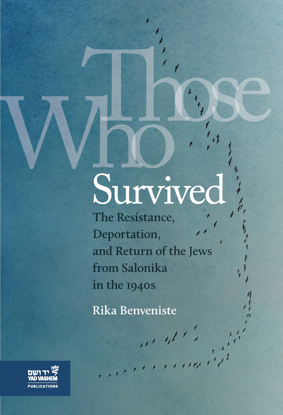
Those Who Survived: The Resistance, Deportation, and Return of the Jews from Salonika in the 1940s
Rika Benveniste
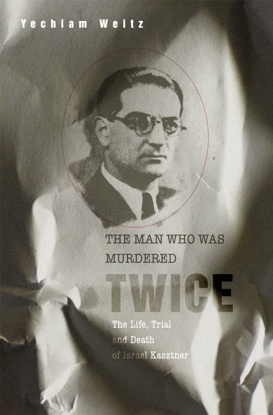
The Man Who Was Murdered Twice: The Life, Trial and Death of Israel Kasztner
Yechiam Weitz
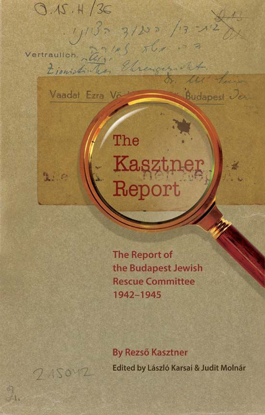
The Kasztner Report: The Report of the Budapest Jewish Rescue Committee 1942–1945
Rezső Kasztner | Editors: László Karsai and Judit Molnár
The Holocaust: The Unique and the Universal - Essays Presented in Honor of Yehuda Bauer
Editors: Shmuel Almog, David Bankier, Daniel Blatman, Dalia Ofer
The Holocaust: History and Memory - Essays Presented in Honor of Israel Gutman
Edited by Shmuel Almog, David Bankier, Daniel Blatman, Dalia Ofer
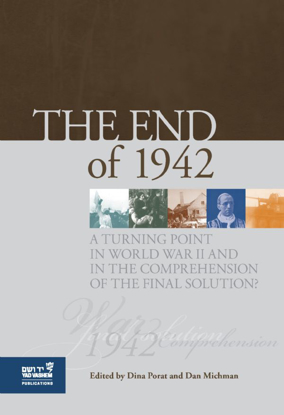
The End of 1942: A Turning Point in World War II and in the Comprehension of the Final Solution?
Editors: Dina Porat and Dan Michman in cooperation with Haim Saadoun
During the second half of 1942, several events signaled a shift on the fronts of World War II. The failed German summer offensive on the Eastern Front led to the encirclement of the Sixth Army in Stalingrad. In Northern Africa, Operation Torch marked the prelude to the defeat of the German Africa Corps. Since 1941, information had begun to trickle out about the German mass murder program in the occupied territories. The first counteroffensives of the Red Army had led to an initial understanding of the scope of the killings, but additional, reliable sources like the Riegner Telegram provided important details and indicated the shift to the industrial extermination of the Final Solution. As a result, the Allies and Jewish organizations published their first official statements that addressed the German murder operations. The Allies’ position and their response to the growing evidence of genocidal action remains a matter of debate among historians. Could the leaders of the Allied nations have understood the magnitude of the Final Solution sooner? Were they in a situation that would have allowed them to invest more resources to rescue its Jewish victims? Yad Vashem’s nineteenth biannual international conference gathered scholars from fifteen countries to discuss these questions from a wide variety of angles. This volume, edited by senior historians Dina Porat and Dan Michman, includes selected articles by contributing researchers with the aim to provide new insights and answers into the developments that unfolded during that critical phase of the war.

Such a Beautiful Sunny Day…: Jews Seeking Refuge in the Polish Countryside, 1942-1945
Barbara Engelking
Starting Anew: The Rehabilitation of Child Survivors of the Holocaust in the Early Postwar Years
Edited by Sharon Kangisser Cohen and Dalia Ofer
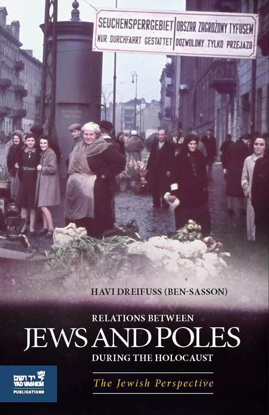
Relations Between Jews and Poles during the Holocaust: The Jewish Perspective
Havi Dreifuss (Ben-Sasson)
"As far as Polish‒Jewish relations are concerned, we need to devote at least a few words to the attitude of Jews toward the Poles.… even in their suffering, the Jews remember with deep emotion and gratefulness all the acts of kindness toward them and the helping hand extended to them by each of those Poles.… But, despite this, the insult and humiliation—which shall never be forgotten—no one wishes to remember."
(Anonymous, Warsaw Ghetto, 1942)
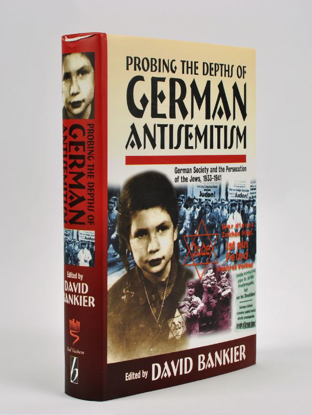
Probing the Depths of German Antisemitism: German Society and the Persecution of the Jews, 1933-1941
Edited by David Bankier