
Products tagged with 'Diaries'
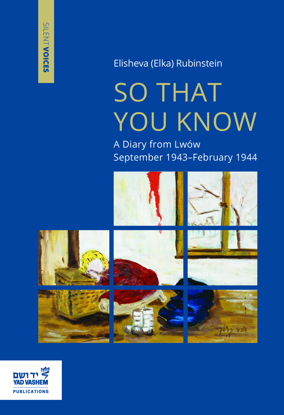
So that You Know: A Diary from Lwów September 1943–February 1944
Elisheva (Elka) Rubinstein
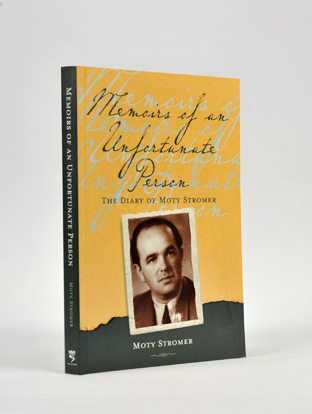
Memoirs of an Unfortunate Person: The Diary of Moty Stromer
Moty Stromer | Foreword by David Silberklang
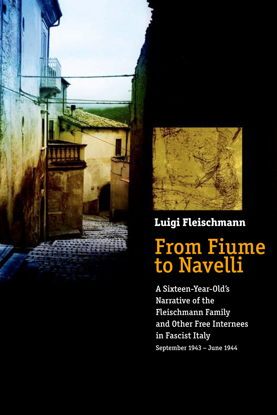
From Fiume to Navelli: A Sixteen-Year-Old’s Narrative of the Fleischmann Family and Other Free Internees in Fascist Italy, September 1943 – June 1944
Luigi Fleischmann | Editor: Daniella Zaidman-Mauer

A Hidden Diary from the Łodz Ghetto, 1942–1944
Heniek Fogel | Editor: Helene Sinnreich
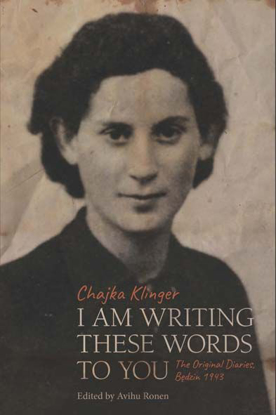
I Am Writing These Words to You: The Original Diaries, Będzin 1943
Chajka Klinger | Editor: Avihu Ronen
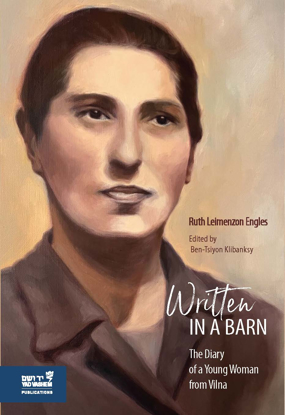
Written in a Barn: The Diary of a Young Woman from Vilna
Ruth Leimenzon Engles| Edited by Ben-Tsiyon Klibansky
At last, I have gotten a notebook in which to write. I have a pencil. I will try. Maybe it will make it easier to push through the days. It’s hard for me. As soon as dawn breaks, my first thought is: how does one endure until the end of the day.
Ruth Leimenzon Engles, May 15, 1944
A few days after the Germans occupied Vilna at the end of June 1941, Ruth Leimenzon’s husband was seized by local collaborators and was never seen again. Ruth, the sole survivor of her murdered family, managed to survive two years in the ghetto using her intelligence and common sense, helped by luck and perhaps miracles. Just two days before the ghetto’s liquidation in September 1943, Ruth escaped with the help of a Christian woman, her former boss’ wife, and found a hiding place in a barn on a farm 20 kilometers from Vilna, where she hid for nearly a year. During the last two months in the barn, Ruth wrote a diary in Yiddish describing her three-year ordeal.
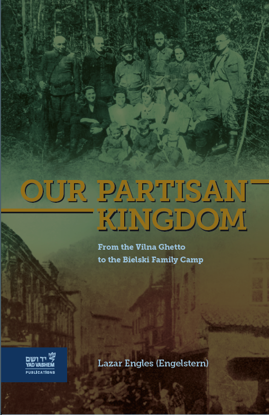
OUR PARTISAN KINGDOM - From the Vilna Ghetto to the Bielski Family Camp
Lazar Engles (Engelstern)
The moment we first set foot on the soil of the Naliboki Pushcha, the atmosphere was completely different. We felt a new kind of security, as if we were in our own partisan kingdom…. We had survived so many dangers, but we were now among Jews in the forest.
Prior to the German invasion of the Soviet Union, Lazar Engles (Engelstern) lived a peaceful and fulfilled life in his beloved city of Vilna with his wife and two daughters. The Nazi occupation of the city in June 1941 and its subsequent ghettoization marked a rapid escalation of horrors for Lazar and his family.
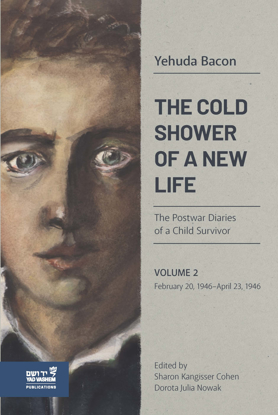
The Cold Shower of a New Life: The Postwar Diaries of a Child Survivor, Volume 2 – February 20, 1946–April 23, 1946
Yehuda Bacon, Edited by Sharon Kangisser Cohen and Dorota Julia Nowak
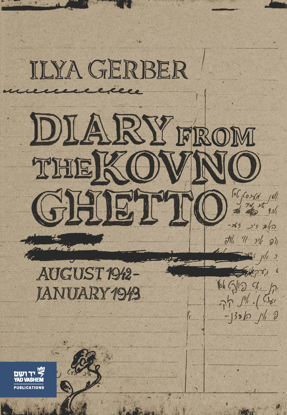
Diary from the Kovno Ghetto: August 1942-January 1943
Ilya Gerber, Edited by Lea Prais
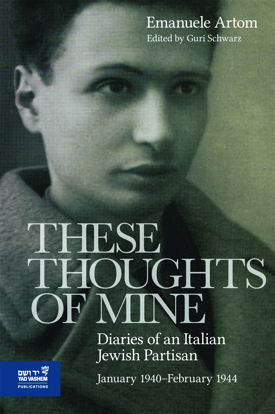
These Thoughts of Mine: Diaries of an Italian Jewish Partisan, January 1940–February 1944
Emanuele Artom, Edited by Guri Schwarz
- 1
- 2