Filter by:
Clear All
Yad Vashem Publications


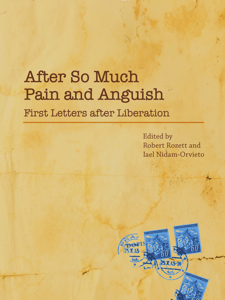

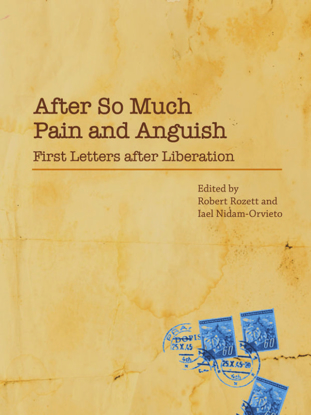
After so much Pain and Anguish: First Letters after Liberation
Editors: Robert Rozett, Iael Nidam-Orvieto

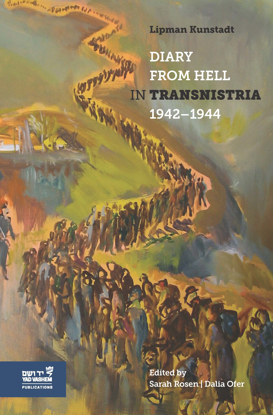
Diary From Hell in Transnistria 1942–1944
Lipman Kunstadt | Edited by Sarah Rosen and Dalia Ofer
I decided to stop writing the diary and to destroy the pages… I eventually overcame the despair and listened to the counterargument…a miracle may occur and your fragmentary writings will be the only remaining memory of Transnistria. (Lipman Kunstadt, August 26, 1942)
Diary from Hell in Transnistria is a painfully vivid and intricate account of life in the Dzhurin ghetto in Transnistria, written by Lipman Kunstadt, who was deported there from Radauţi, Romania, with his wife, his children, his mother, and his sister on October 14, 1941. Kunstadt, who was well-educated and a journalist, was appointed secretary of the Jewish council in the Dzhurin ghetto, where he had access to a great deal of information about its inner workings. He began writing his diary in Yiddish on April 11, 1942, at great risk, sparing no criticism against the ghetto leadership.
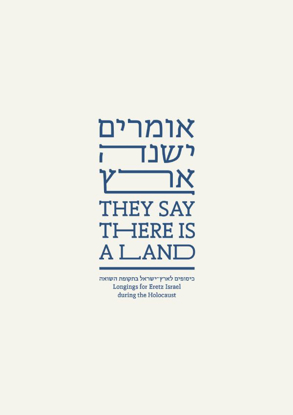
They Say there is a Land: Longing for Eretz Israel during the Holocaust
Head Curator: Vivian Uria
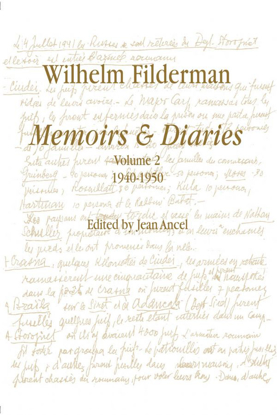
Wilhelm Filderman: Memoirs and Diaries, volume 2 – 1940-1952
Editor: Jean Ancel | Revised and annotated by Leon Volovici and Miriam Caloianu

Tommy: To Tommy, for his Third Birthday in Theresienstadt, 22 January 1944
Written and Illustrated by Bedřich Fritta
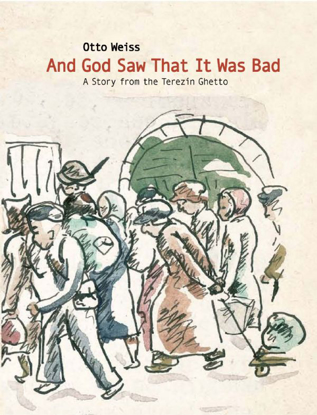

Documents on the Holocaust: Selected Sources on the Destruction of the Jews of Germany and Austria, Poland, and the Soviet Union
Editors: Yitzhak Arad, Israel Gutman, Abraham Margaliot
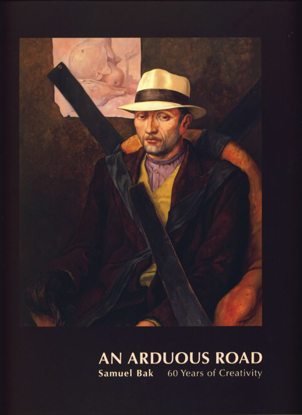
An Arduous Road: Samuel Bak - 60 Years of Creativity
Exhibition Curator and Editor: Yehudit Shendar
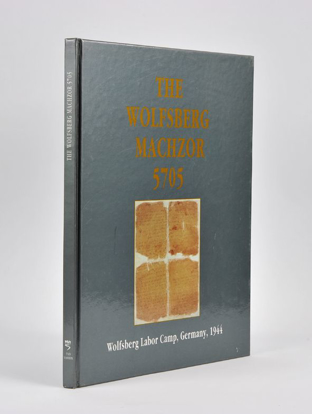
The Wolfsberg Machzor 5705: Wolfsberg Labor Camp, Germany, 1944
Editors: Bella Gutterman and Naomi Morgenstern
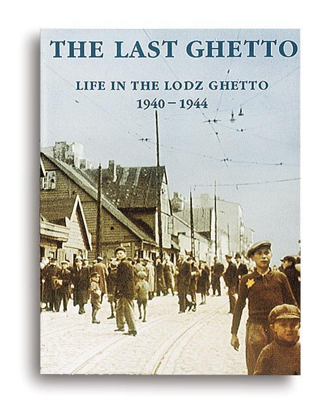
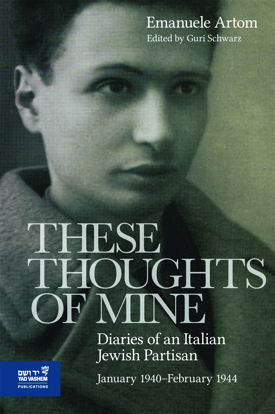
These Thoughts of Mine: Diaries of an Italian Jewish Partisan, January 1940–February 1944
Emanuele Artom, Edited by Guri Schwarz
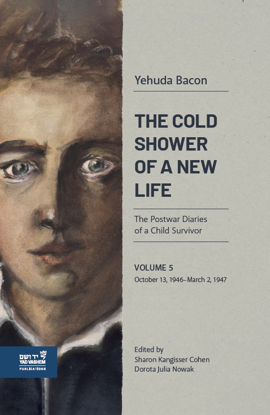
The Cold Shower of a New Life: The Postwar Diaries of a Child Survivor, Volume 5 - October 13, 1946–March 2, 1947
Author: Yehuda Bacon
Editors: Sharon Kangisser Cohen and Dorota Julia Nowak
What a life it will be, Jerusalem! I know very well what the wordmeans. Like every association, it spans my entire life. Notebook 8, August 12, 1946; World-renowned Israeli artist and Holocaust survivor Yehuda Bacon began to keep a diary in July 1945, while living in a youth home in Štiřín, Czechoslovakia, shortly after his liberation. During the past seven decades, Bacon has filled over 240 notebooks. His diary is a mosaic of words and drawings through which he attempts to express his past, contemplate his present, and imagine his future.
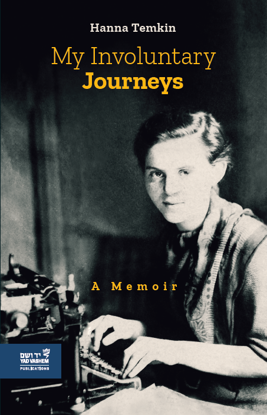
My Involuntary Journeys
Hanna Temkin
In My Involuntary Journeys, Hanna Temkin shares her story for the first time, shedding light on lesser-known aspects of Jewish life and survival in Eastern Europe before, during, and after the Holocaust. Moreover, Hanna’s story is an inspiring tale of female empowerment and serves as a testament to her ability to overcome the worst odds.

White Coats in the Ghetto: Jewish Medicine in Poland during the Holocaust
Miriam Offer
A last few words to honor you, the Jewish doctors. What canI tell you, my beloved colleagues and companions in misery? You are a part of all of us. Slavery, hunger, deportation, thosedeath figures in our ghetto were also your legacy. And you byyour work could give the henchman the answer Non omnis moriar, I shall not wholly die. (Dr. Israel Milejkowski, Director, Judenrat Health Department in the Warsaw Ghetto, October 1942)
White Coats in the Ghetto narrates the struggle of the Jews to survive in the Warsaw ghetto while also preserving their humanity during the Holocaust. Based on a vast quantity of official and personal documents, it describes the elaborate medical system that the Jews established in the ghetto to cope with the lethal conditions imposed on them by the Nazis, and the tragic ethical dilemmas that the medical teams confronted under German occupation.
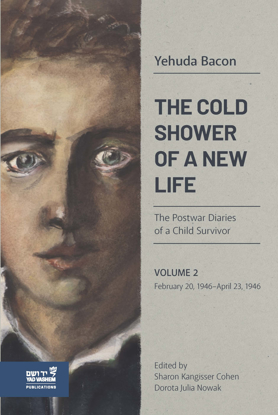
The Cold Shower of a New Life: The Postwar Diaries of a Child Survivor, Volume 2 – February 20, 1946–April 23, 1946
Yehuda Bacon, Edited by Sharon Kangisser Cohen and Dorota Julia Nowak
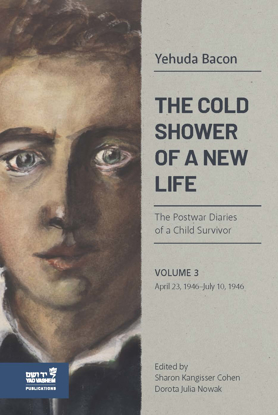
The Cold Shower of a New Life: The Postwar Diaries of a Child Survivor, Volume 3 - April 23, 1946−July 10, 1946
Yehuda Bacon, Edited by Sharon Kangisser Cohen and Dorota Julia Nowak