
Products tagged with 'Women in the Holocaust'
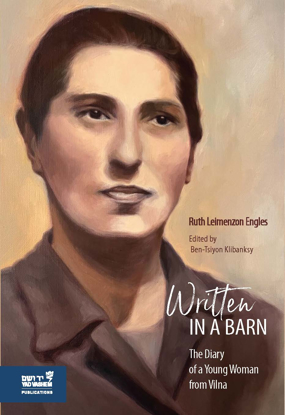
Written in a Barn: The Diary of a Young Woman from Vilna
Ruth Leimenzon Engles| Edited by Ben-Tsiyon Klibansky
At last, I have gotten a notebook in which to write. I have a pencil. I will try. Maybe it will make it easier to push through the days. It’s hard for me. As soon as dawn breaks, my first thought is: how does one endure until the end of the day.
Ruth Leimenzon Engles, May 15, 1944
A few days after the Germans occupied Vilna at the end of June 1941, Ruth Leimenzon’s husband was seized by local collaborators and was never seen again. Ruth, the sole survivor of her murdered family, managed to survive two years in the ghetto using her intelligence and common sense, helped by luck and perhaps miracles. Just two days before the ghetto’s liquidation in September 1943, Ruth escaped with the help of a Christian woman, her former boss’ wife, and found a hiding place in a barn on a farm 20 kilometers from Vilna, where she hid for nearly a year. During the last two months in the barn, Ruth wrote a diary in Yiddish describing her three-year ordeal.
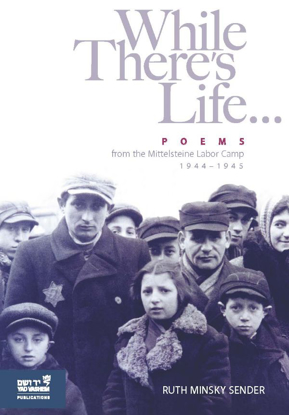
While There's Life…: Poems from the Mittelsteine Labor Camp 1944-1945
Ruth Minsky Sender
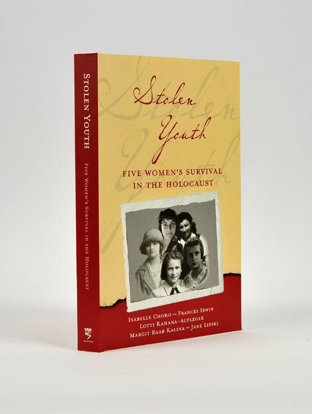
Stolen Youth: Five Women’s Survival in the Holocaust
Isabelle Choko-Sztrauch-Galewska; Frances Irwin; Lotti Kahana Aufleger; Margit Raab Kalina; Jane Lipski
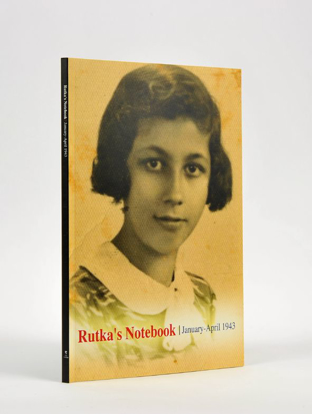
My Involuntary Journeys
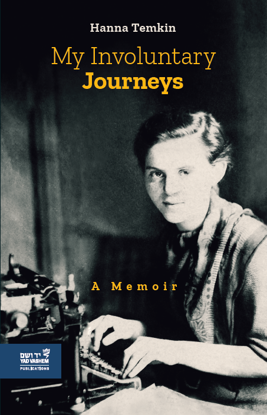
Hanna Temkin
In My Involuntary Journeys, Hanna Temkin shares her story for the first time, shedding light on lesser-known aspects of Jewish life and survival in Eastern Europe before, during, and after the Holocaust. Moreover, Hanna’s story is an inspiring tale of female empowerment and serves as a testament to her ability to overcome the worst odds.
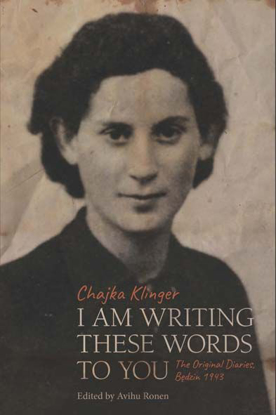
I Am Writing These Words to You: The Original Diaries, Będzin 1943
Chajka Klinger | Editor: Avihu Ronen

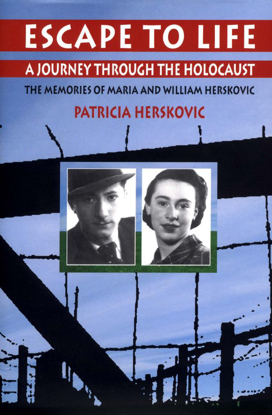
Escape to Life: A Journey Through the Holocaust - The Memories of Maria and William Herskovic
Patricia Herskovic
- 1
- 2