Filter by:
Clear AllResearch Studies
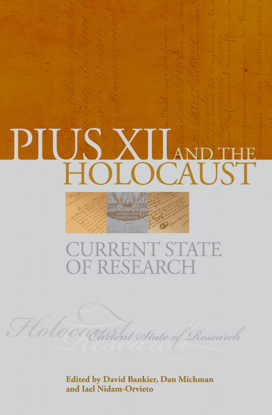
Pius XII and the Holocaust: Current State of Research
Editors: David Bankier, Dan Michman, Iael Nidam-Orvieto
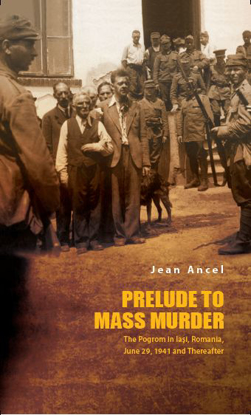
Prelude to Mass Murder: The Pogrom in Iaşi, Romania, June 29, 1941 and Thereafter
Jean Ancel
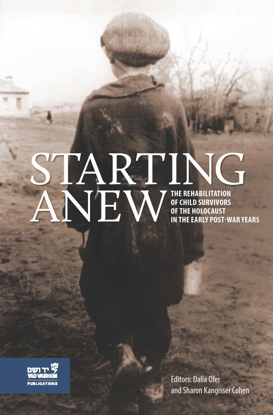
Starting Anew: The Rehabilitation of Child Survivors of the Holocaust in the Early Postwar Years
Edited by Sharon Kangisser Cohen and Dalia Ofer
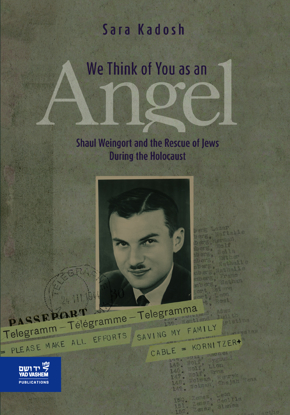
We Think of you as an Angel: Shaul Weingort and the Rescue of Jews During the Holocaust
Sara Kadosh
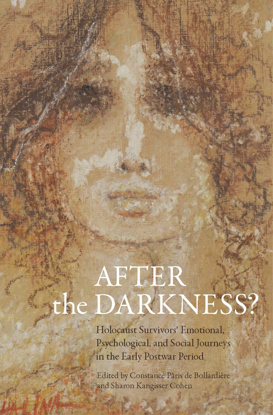
After the Darkness?
Holocaust Survivors’ Emotional, Psychological, and Social Journeys in the Early Postwar Period
Editors: Constance Pâris de Bollardière and Sharon Kangisser Cohen
His reaction to my cautious questions about his parents, his brothers and sisters, his experiences in the concentration camp was characteristic. His only response was to let his head drop onto his chest. He remained sitting in this posture in silence for some time. It must be said here without pathos or literary embellishment that it is only now that he has been returned to normal life that this child feels the pain and torment of everything he has seen and experienced.
Hans Keilson

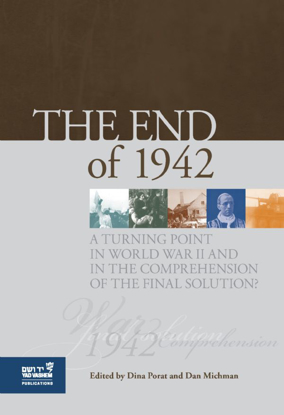
The End of 1942: A Turning Point in World War II and in the Comprehension of the Final Solution?
Editors: Dina Porat and Dan Michman in cooperation with Haim Saadoun
During the second half of 1942, several events signaled a shift on the fronts of World War II. The failed German summer offensive on the Eastern Front led to the encirclement of the Sixth Army in Stalingrad. In Northern Africa, Operation Torch marked the prelude to the defeat of the German Africa Corps. Since 1941, information had begun to trickle out about the German mass murder program in the occupied territories. The first counteroffensives of the Red Army had led to an initial understanding of the scope of the killings, but additional, reliable sources like the Riegner Telegram provided important details and indicated the shift to the industrial extermination of the Final Solution. As a result, the Allies and Jewish organizations published their first official statements that addressed the German murder operations. The Allies’ position and their response to the growing evidence of genocidal action remains a matter of debate among historians. Could the leaders of the Allied nations have understood the magnitude of the Final Solution sooner? Were they in a situation that would have allowed them to invest more resources to rescue its Jewish victims? Yad Vashem’s nineteenth biannual international conference gathered scholars from fifteen countries to discuss these questions from a wide variety of angles. This volume, edited by senior historians Dina Porat and Dan Michman, includes selected articles by contributing researchers with the aim to provide new insights and answers into the developments that unfolded during that critical phase of the war.
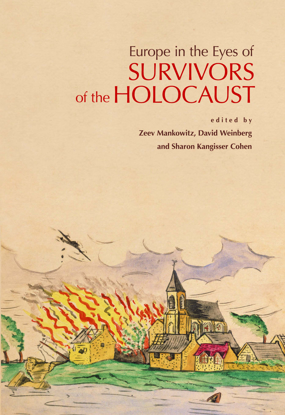
Europe in the Eyes of Survivors of the Holocaust
Editors: Zeev Mankowitz, David Weinberg, Sharon Kangisser Cohen
In what sense was the European heritage responsible for Jewish cultural and intellectual development? How could one describe the events of the Holocaust? Was there a future for Jews in a reconstructed Europe? A group of scholars suggests a more nuanced view by examining the perspectives of ten survivors – philosophers, activists, and memoirists – whose attitudes towards the European past were characterized by conflicting feelings of alienation and attraction.
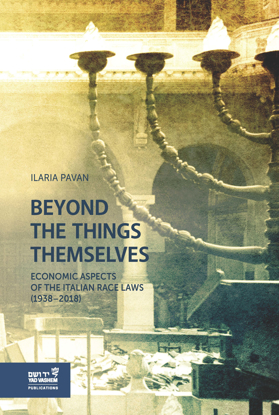
Beyond the Things Themselves: Economic Aspects of the Italian Race Laws (1938-2018)
Ilaria Pavan
