Filter by:
Clear AllResearch Studies
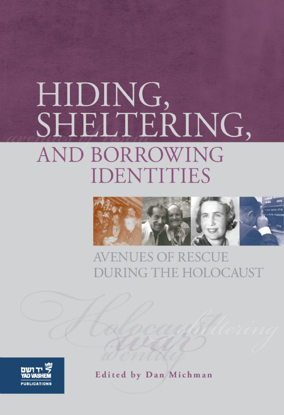
Hiding, Sheltering and Borrowing Identities: Avenues of Rescue During the Holocaust
Edited by Dan Michman
During the immediate aftermath of the Holocaust, the focus of research was directed at the actions of the murderers and at resistance. That situation changed gradually during the 1960s and 1970s. The rescue of Jews, a major aspect of Holocaust history, started to attract the attention of scholars. Still, the focus was mostly on governments and organizations. The initiation of Yad Vashem’s recognition program for the Righteous Among the Nations also drew public attention to the acts of individual rescuers in areas under Nazi control. Over the course of the last three decades, important studies have been published that investigated the rescuers and their acts. Yet even today, many aspects of the rescue activities require further research. Moreover, the aspect of Jewish initiatives and individual experiences deserves more attention. Yad Vashem’s eighteenth biannual conference, titled “Hiding, Sheltering and Borrowing Identities as Avenues of Rescue during the Holocaust,” brought together a large number of international scholars to discuss new approaches and the current state of research on the topic. This volume, based on a selection of papers that were presented at the conference, aims to provide an overview of the multi-faceted landscape of academic studies on the rescuers and the rescued.
The Holocaust: History and Memory - Essays Presented in Honor of Israel Gutman
Edited by Shmuel Almog, David Bankier, Daniel Blatman, Dalia Ofer
The Holocaust: The Unique and the Universal - Essays Presented in Honor of Yehuda Bauer
Editors: Shmuel Almog, David Bankier, Daniel Blatman, Dalia Ofer
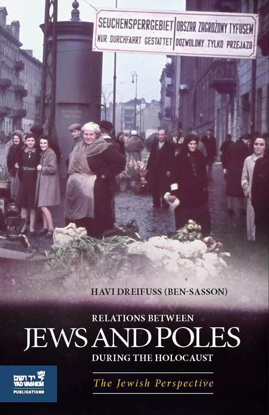
Relations Between Jews and Poles during the Holocaust: The Jewish Perspective
Havi Dreifuss (Ben-Sasson)
"As far as Polish‒Jewish relations are concerned, we need to devote at least a few words to the attitude of Jews toward the Poles.… even in their suffering, the Jews remember with deep emotion and gratefulness all the acts of kindness toward them and the helping hand extended to them by each of those Poles.… But, despite this, the insult and humiliation—which shall never be forgotten—no one wishes to remember."
(Anonymous, Warsaw Ghetto, 1942)

A Man of Courage in an Inhuman Time: Berthold Beitz in the Third Reich
Bernd Schmalhausen
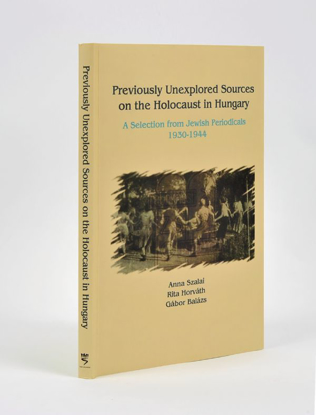
Previously Unexplored Sources on the Holocaust in Hungary: A Selection From Jewish Periodicals, 1930-1944
Anna Szalai, Rita Horváth, Gábor Balázs

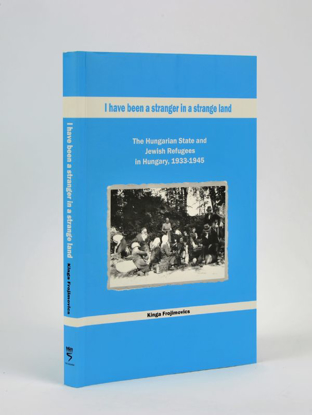
I Have been a Stranger in a Strange Land: The Hungarian State and Jewish Refugees in Hungary, 1933-1945
Kinga Frojimovics
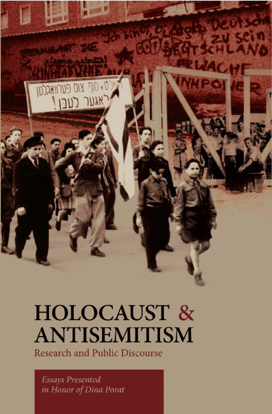
Holocaust and Antisemitism: Research and Public Discourse - Essays Presented in Honor of Dina Porat
Editors: Roni Stauber, Aviva Halamish, Esther Webman

White Coats in the Ghetto: Jewish Medicine in Poland during the Holocaust
Miriam Offer
A last few words to honor you, the Jewish doctors. What canI tell you, my beloved colleagues and companions in misery? You are a part of all of us. Slavery, hunger, deportation, thosedeath figures in our ghetto were also your legacy. And you byyour work could give the henchman the answer Non omnis moriar, I shall not wholly die. (Dr. Israel Milejkowski, Director, Judenrat Health Department in the Warsaw Ghetto, October 1942)
White Coats in the Ghetto narrates the struggle of the Jews to survive in the Warsaw ghetto while also preserving their humanity during the Holocaust. Based on a vast quantity of official and personal documents, it describes the elaborate medical system that the Jews established in the ghetto to cope with the lethal conditions imposed on them by the Nazis, and the tragic ethical dilemmas that the medical teams confronted under German occupation.
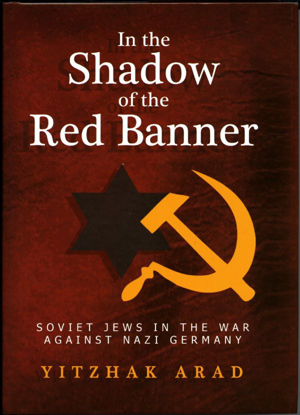
In The Shadow of the Red Banner: Soviet Jews In the War Against Nazi Germany
Yitzhak Arad
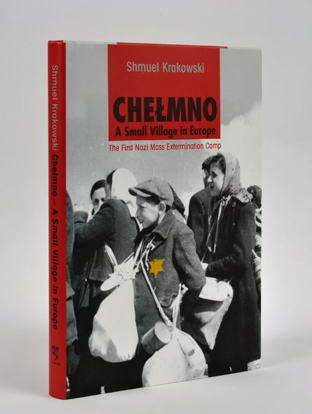
Chelmno: A Small Village in Europe - The First Nazi Mass Extermination Camp
Shmuel Krakowski
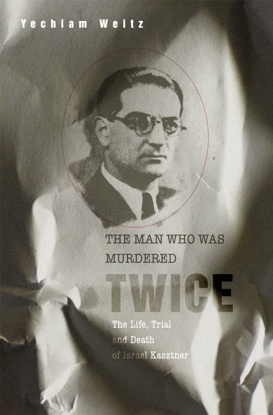
The Man Who Was Murdered Twice: The Life, Trial and Death of Israel Kasztner
Yechiam Weitz
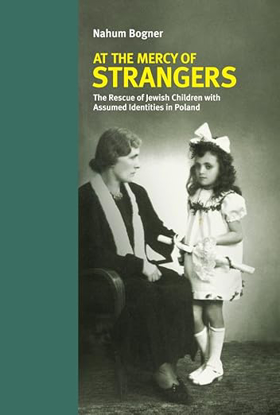
At the Mercy of Strangers: The Rescue of Hidden Jewish Children with Assumed Identities in Poland
Nachum Bogner
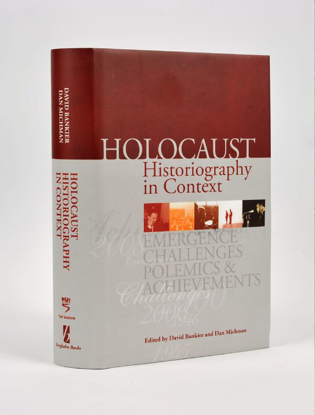
Holocaust Historiography in Context: Emergence, Challenges, Polemics and Achievements
Edited by David Bankier and Dan Michman
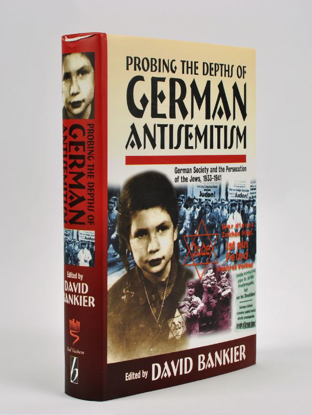
Probing the Depths of German Antisemitism: German Society and the Persecution of the Jews, 1933-1941
Edited by David Bankier

Expulsion and Extermination: Holocaust Testimonials from Provincial Lithuania
David Bankier
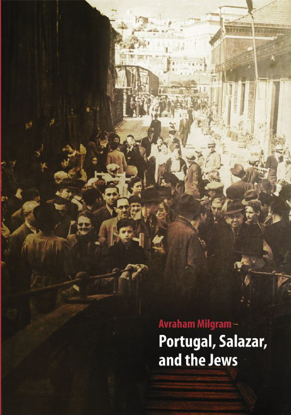
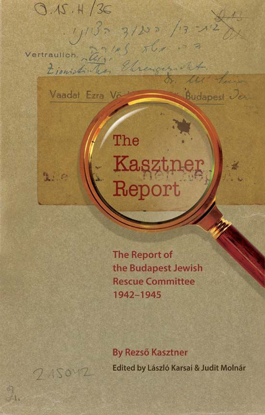
The Kasztner Report: The Report of the Budapest Jewish Rescue Committee 1942–1945
Rezső Kasztner | Editors: László Karsai and Judit Molnár
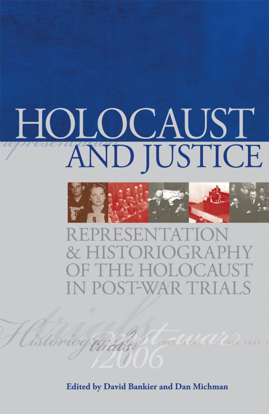
Holocaust and Justice: Representation and Historiography of the Holocaust in Post-War Trials
Editors: David Bankier and Dan Michman

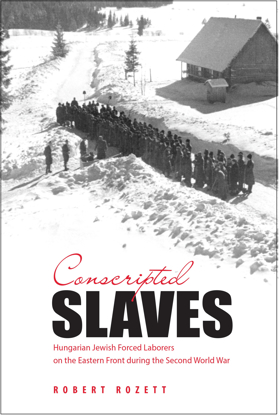
Conscripted Slaves: Hungarian Jewish Forced Laborers on the Eastern Front during the Second World War
Robert Rozett
- 1
- 2