Filter by:
Clear All
Research Studies
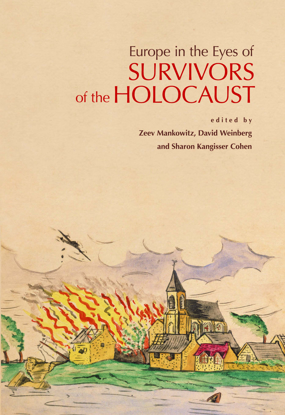
Europe in the Eyes of Survivors of the Holocaust
Editors: Zeev Mankowitz, David Weinberg, Sharon Kangisser Cohen
In what sense was the European heritage responsible for Jewish cultural and intellectual development? How could one describe the events of the Holocaust? Was there a future for Jews in a reconstructed Europe? A group of scholars suggests a more nuanced view by examining the perspectives of ten survivors – philosophers, activists, and memoirists – whose attitudes towards the European past were characterized by conflicting feelings of alienation and attraction.
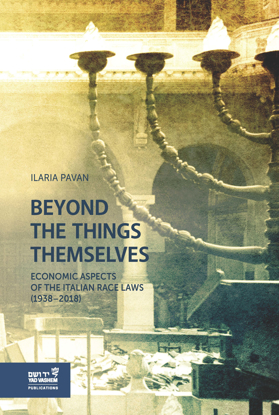
Beyond the Things Themselves: Economic Aspects of the Italian Race Laws (1938-2018)
Ilaria Pavan

The End of 1942: A Turning Point in World War II and in the Comprehension of the Final Solution?
Editors: Dina Porat and Dan Michman in cooperation with Haim Saadoun
During the second half of 1942, several events signaled a shift on the fronts of World War II. The failed German summer offensive on the Eastern Front led to the encirclement of the Sixth Army in Stalingrad. In Northern Africa, Operation Torch marked the prelude to the defeat of the German Africa Corps. Since 1941, information had begun to trickle out about the German mass murder program in the occupied territories. The first counteroffensives of the Red Army had led to an initial understanding of the scope of the killings, but additional, reliable sources like the Riegner Telegram provided important details and indicated the shift to the industrial extermination of the Final Solution. As a result, the Allies and Jewish organizations published their first official statements that addressed the German murder operations. The Allies’ position and their response to the growing evidence of genocidal action remains a matter of debate among historians. Could the leaders of the Allied nations have understood the magnitude of the Final Solution sooner? Were they in a situation that would have allowed them to invest more resources to rescue its Jewish victims? Yad Vashem’s nineteenth biannual international conference gathered scholars from fifteen countries to discuss these questions from a wide variety of angles. This volume, edited by senior historians Dina Porat and Dan Michman, includes selected articles by contributing researchers with the aim to provide new insights and answers into the developments that unfolded during that critical phase of the war.
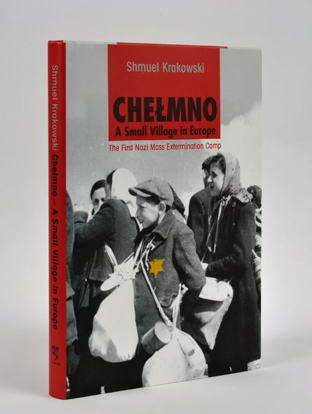
Chelmno: A Small Village in Europe - The First Nazi Mass Extermination Camp
Shmuel Krakowski
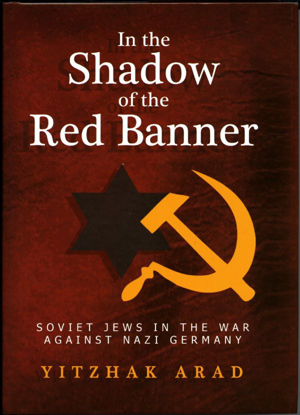
In The Shadow of the Red Banner: Soviet Jews In the War Against Nazi Germany
Yitzhak Arad

White Coats in the Ghetto: Jewish Medicine in Poland during the Holocaust
Miriam Offer
A last few words to honor you, the Jewish doctors. What canI tell you, my beloved colleagues and companions in misery? You are a part of all of us. Slavery, hunger, deportation, thosedeath figures in our ghetto were also your legacy. And you byyour work could give the henchman the answer Non omnis moriar, I shall not wholly die. (Dr. Israel Milejkowski, Director, Judenrat Health Department in the Warsaw Ghetto, October 1942)
White Coats in the Ghetto narrates the struggle of the Jews to survive in the Warsaw ghetto while also preserving their humanity during the Holocaust. Based on a vast quantity of official and personal documents, it describes the elaborate medical system that the Jews established in the ghetto to cope with the lethal conditions imposed on them by the Nazis, and the tragic ethical dilemmas that the medical teams confronted under German occupation.
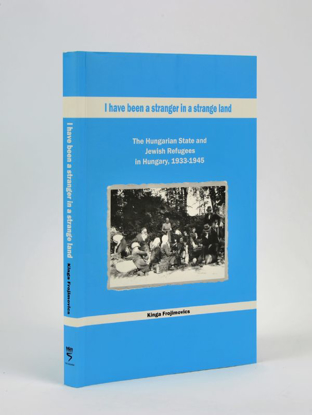
I Have been a Stranger in a Strange Land: The Hungarian State and Jewish Refugees in Hungary, 1933-1945
Kinga Frojimovics